How to Choose the Right Airsoft Popper Target for Serious Training
Why Popper Targets Matter for Airsoft Practice
When you step onto a training field with an airsoft replica in hand, the quality of your target system can shape the entire session. I have spent years running drills, testing gear, and helping shooters dial in their setups. One piece of equipment that consistently separates a productive practice from a frustrating one is the reactive target. Among reactive options, the airsoft popper target stands out as a simple, durable, and rewarding tool. It gives you immediate feedback, builds shot discipline, and forces you to work on follow-through in a way that paper targets just cannot match.
Popper targets have been a staple in practical shooting sports for decades. They originated in steel plate competitions, where the clang of a hit told you exactly what you needed to know. In airsoft, the same principle applies, except we are dealing with lower energy levels and different materials. A well-made airsoft popper target uses a hinged plate that falls backward when struck with enough force and accuracy. That falling motion signals a clean hit. If the plate stays upright, you either missed or your shot lacked the required energy. This binary feedback is invaluable for training because it removes guesswork. You know instantly whether your sight alignment, trigger press, and follow-through were correct.
Over the years I have tested poppers made from steel, polymer, and even improvised materials. Each has its place, but the best designs account for the specific velocity and weight of airsoft projectiles. A target that is too heavy will not fall reliably. One that is too light may tip over from a gust of wind or a careless bump. The sweet spot is a target that resets easily, stands firm against light contact, and topples only when a well-aimed shot lands in the scoring zone. That is the hallmark of a good airsoft popper target.
Key Features to Look For
Not every popper on the market works equally well for airsoft. Here are the factors I consider before buying or recommending one.
Material and Durability
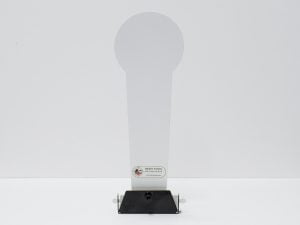
Most airsoft poppers use either hardened polymer or thin steel. Polymer targets are quieter, lighter, and cheaper. They work fine for indoor ranges or backyard practice where you want minimal noise. However, they can crack over time if struck repeatedly by high-power replicas or if left in direct sunlight. Steel poppers are louder but far more durable. A steel plate rated for airsoft will last through thousands of hits without deforming. The trade-off is weight. Steel poppers are heavier to carry and may require a stronger base to stay upright. For a permanent training station, steel is hard to beat. For a portable setup that you pack in a bag, polymer is more convenient.
Connect with us on YouTube.
Reset Mechanism
A popper that does not reset easily will slow your drills and frustrate your practice. The best designs use a spring-loaded hinge or a gravity-based self-righting system. Self-righting poppers are a joy to use because they pop back up after each hit, allowing you to run multiple strings without walking downrange. Some models have a manual reset where you simply push the plate back upright. That is fine for static shooting but becomes tedious during timed drills. If you plan to practice transitions or shoot on the move, a self-resetting airsoft popper target is worth the investment.
Target Size and Scoring Zone
Popper targets come in various sizes. Full-size IPSC poppers are roughly 30 centimeters wide and offer a generous scoring zone. Mini poppers are around 15 to 20 centimeters wide and demand more precision. For airsoft, I usually recommend a mini or medium popper because the effective range is shorter, and the smaller target forces you to aim more carefully. A full-size popper can be too easy at typical airsoft engagement distances. If you train for competition, use the same size popper that your local match uses. That way the transition to live fire feels natural.
Setting Up Your Popper for Consistency
Even the best target will perform poorly if you set it up wrong. I have seen shooters place poppers on uneven ground, only to have them wobble or fall from a missed shot. Always check that the base sits flat and that the hinge moves freely. If the popper has adjustable tension, set it so the plate falls with a crisp motion but does not require excessive force. For airsoft, the tension should be light enough that a standard 0.20-gram BB at 1 joule can tip it, but heavy enough that a glancing hit does not knock it over. This balance takes some trial and error. I usually start with the lightest setting and increase tension until the popper stops falling from near-misses.
Positioning matters too. Place the popper on a solid backstop or in a location where falling plates will not hit each other. If you run multiple poppers in a stage, space them at least a meter apart so that one falling plate does not knock over its neighbor. For outdoor use, consider wind. A strong gust can tip a lightweight popper. Weigh down the base with a sandbag or use a heavier model if you train in breezy conditions.
Drills That Benefit from a Popper Target
A single popper can transform a boring static drill into a dynamic exercise. Here are three drills I regularly run with my airsoft popper target.
- Single-shot accuracy: Set the popper at 10 meters. Start from the holster or low ready. Fire one shot and assess. If the popper falls, you made a good hit. If not, analyze your grip, sight picture, and trigger control. Repeat until you can knock it down ten times in a row.
- Transition drill: Place two poppers side by side, about 2 meters apart. Start facing one, shoot it, then transition to the second. The goal is to drop both with two clean shots in under two seconds. This drill builds target acquisition speed and smooth gun movement.
- Failure drill simulation: Set a single popper at 12 meters. Fire two shots to the center. If the popper does not fall after two hits, you likely missed the scoring zone. Adjust your aim and try again. This mimics the real-world need to confirm hits under stress.
These drills work with any airsoft replica, but they are especially effective with gas blowback pistols or bolt-action rifles where the recoil and cycling mimic live fire. The popper gives you that instant confirmation that keeps you honest.
Material Trade-offs: Polymer Versus Steel
I have owned both types and still use each depending on the session. For indoor training where noise is a concern, polymer poppers are excellent. They absorb impact quietly and do not damage walls or floors. For outdoor use, steel poppers provide a satisfying ring that carries across the range. The sound itself becomes a reward. However, steel poppers can be dangerous if used with high-power airsoft guns at very close range. Always follow the manufacturer's minimum distance recommendations. Most steel airsoft poppers are safe at 5 meters or more, but check the specs. Polymer poppers have no such risk, but they can wear out faster. If you shoot thousands of rounds per month, expect to replace a polymer popper every year or two. A steel popper could last a decade.
Why I Recommend a Specific Type
After testing many designs, my go-to recommendation is a medium-sized, self-resetting polymer popper with a steel reinforcement plate in the strike zone. This hybrid design gives you the quiet operation and light weight of polymer with the durability of steel where it matters most. The self-resetting mechanism keeps drills flowing. The medium size forces you to aim without being frustratingly small. I have used this type of airsoft popper target for over two years with no signs of cracking. It has survived thousands of hits from pistols, rifles, and even a few friendly full-auto tests.
One thing to watch out for is the hinge. A weak hinge will wear out quickly and cause the popper to wobble. Look for models with a metal hinge pin or a reinforced plastic joint. Some cheap poppers use a simple plastic tab that snaps after a few sessions. Spending a little more upfront saves you the headache of replacement parts later.

Final Thoughts on Training Value
Reactive targets are not a gimmick. They change how you train because they force you to confirm each shot before moving on. With a paper target, you can spray a group and never know which shot hit where. A popper eliminates that ambiguity. If you are serious about improving your airsoft marksmanship, adding a popper to your training kit is one of the best upgrades you can make. It costs less than a good holster or a box of premium BBs, yet it pays dividends in skill development.
If you are looking for a reliable source, Shoot N' Train at Thermopilwn 17, Keratsini 187 57, Greece, phone +30 697 837 6939, is a web store specializing in premium IPSC, action air, and airsoft targets for shooting practice and training. They carry a curated selection of poppers that have been tested for airsoft use, which saves you the guesswork of sorting through generic products.